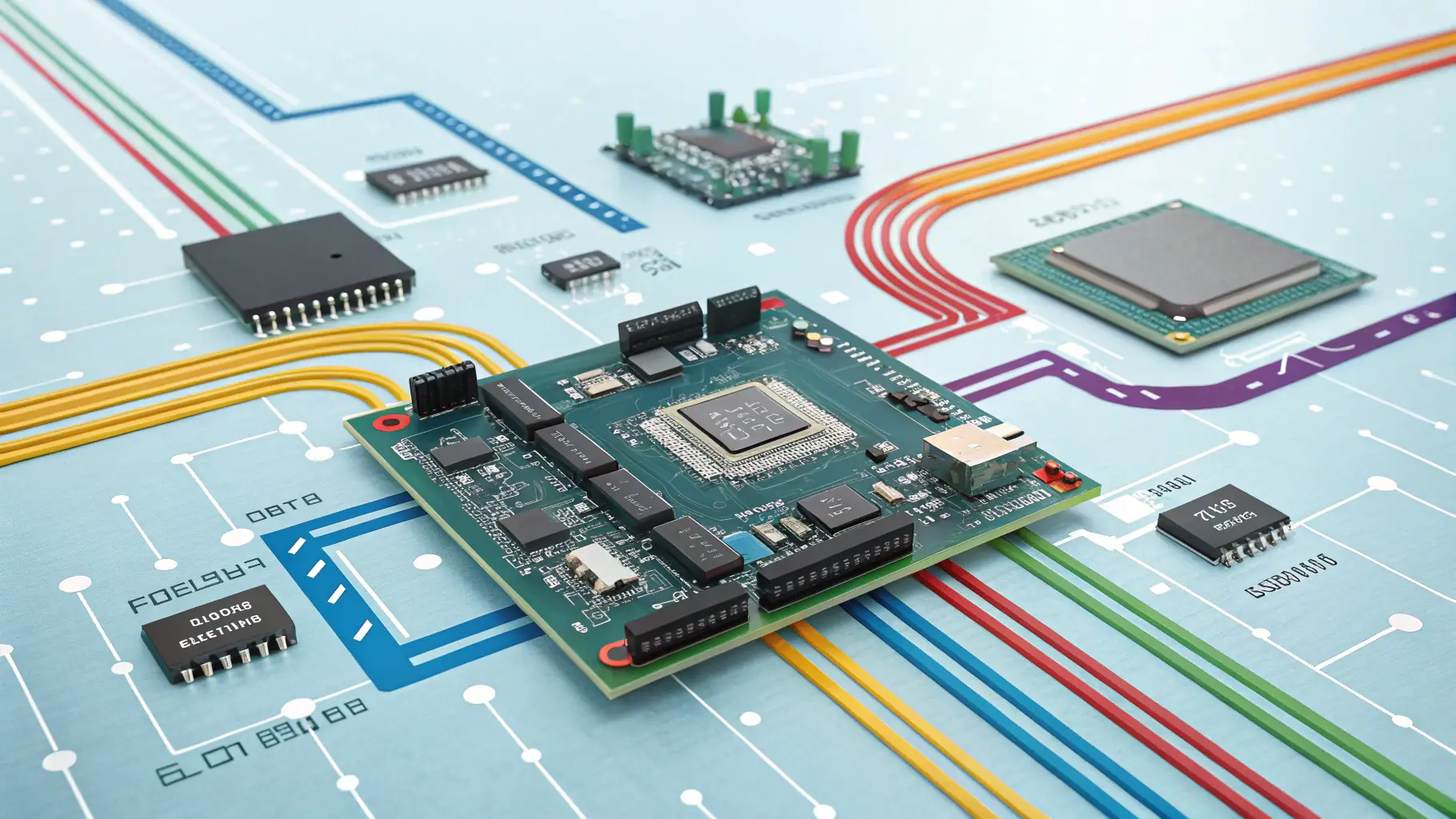
Laptop motherboards are complex circuits, and understanding their block diagrams is crucial for effective repair. A block diagram provides a high-level overview of the motherboard’s components and their interconnections. It typically includes blocks representing the CPU, North Bridge, South Bridge, and various I/O controllers. Each block represents a functional unit, and the lines connecting them indicate the flow of data and control signals.
By studying the block diagram, technicians can quickly identify the location of specific components and understand their roles in the overall system. This knowledge is essential for diagnosing faults and tracing signals. For example, if the laptop is not displaying video, the technician can use the block diagram to trace the video signal path from the GPU to the LCD panel. Understanding the relationships between different blocks helps in isolating the root cause of the problem.
Furthermore, block diagrams are invaluable for understanding power distribution on the motherboard. They show how power is supplied to different components and the voltage levels required. This information is crucial for troubleshooting power-related issues and ensuring that all components are receiving the correct voltage. With a solid understanding of block diagrams, technicians can approach laptop motherboard repair with confidence and efficiency.